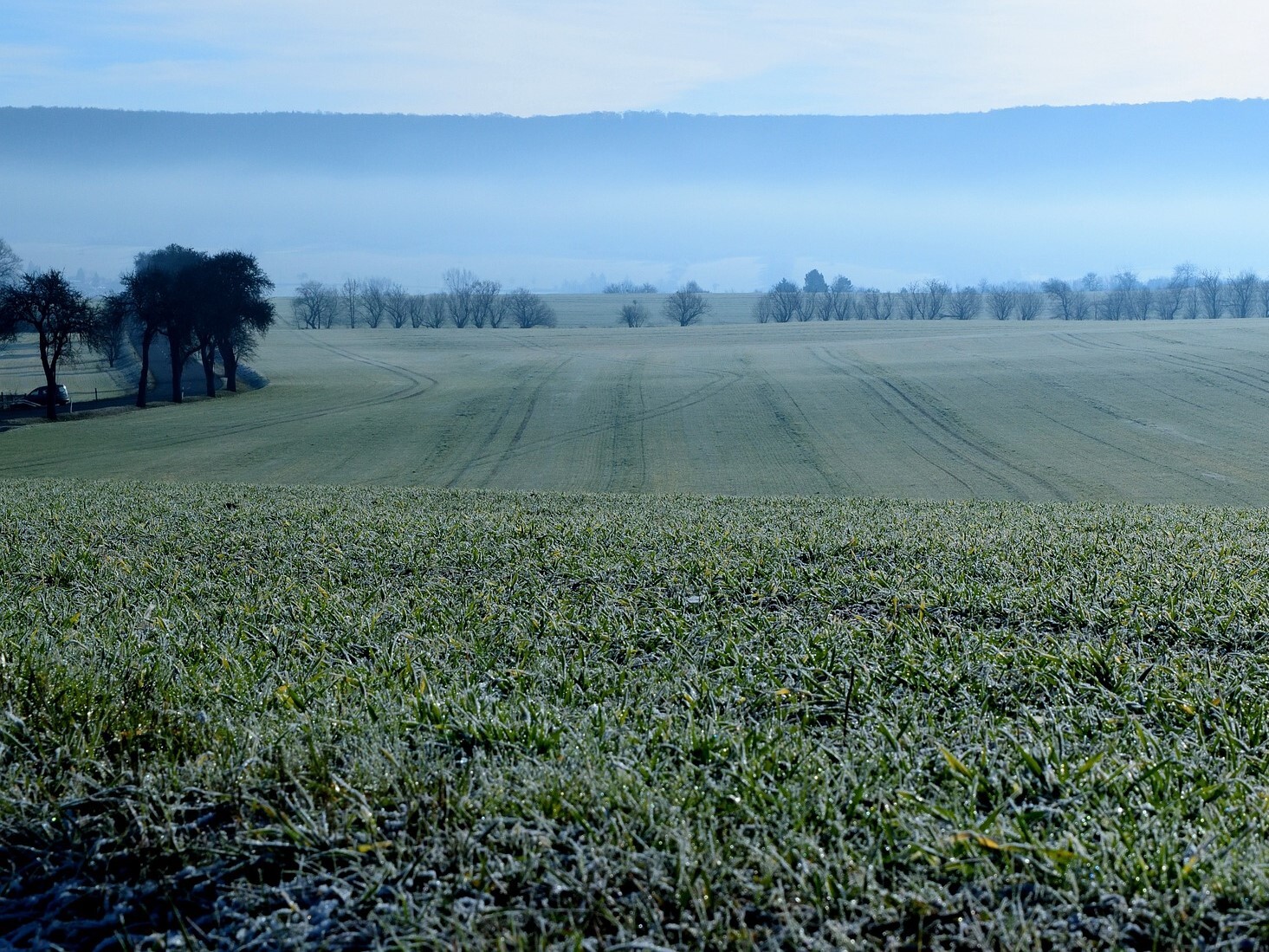
National Union of Agricultural Insurers NSAintroduced an emergency response procedure in the Belgorod, Voronezh, and Rostov regions, where a corresponding regime was declared due to frosts. According to President NSA Korney Bizhdov, a total of almost 1.9 million hectares of agricultural crops were insured in these regions as of May 1, including winter crops on an area of almost 1.5 million hectares, spring crops – 385 thousand hectares, perennial crops – 0.7 thousand hectares. «NSA monitors the situation in contact with the Ministries of Agriculture of the regions and reminds farmers in the affected regions: it is necessary to immediately notify insurance companies about the identification of all damages and deviations in the development of insured crops,” he added (quoted from the association's press release).
The Belgorod region became the first region in Russia to declare an emergency regime due to damage to the agro-industrial complex. According to the NSA, at the time of the frosts, 152 thousand hectares were insured in the region, of which 150 thousand hectares were winter crops, which is about 40% of the area of their autumn sowing, as well as 700 hectares of orchards and berry fields. In the Voronezh region, 435 thousand hectares of crops are insured, of which 413 thousand hectares are under winter crops (almost 58% of their sowing for the current year's harvest). In the Rostov region, as of May 1, 1.3 million hectares of crops were insured, of which 925 thousand hectares were winter crops and 362 thousand hectares were spring crops. Orchards and other perennial crops in the region are not insured.
All three regions had already become emergency zones in the agro-industrial complex last year, twice — in spring due to frosts, and in summer and autumn due to drought. “We expect that the experience gained last year in organizing loss settlement will be effectively used,” Bizhdov noted. According to him, insurance payments to farmers in these regions for lost crops in 2024 and the first quarter of 2025 amounted to almost 1.4 billion rubles, of which more than 1 billion rubles were transferred to farms in the Rostov region, 187 million rubles to Belgorod farms, and 155 million rubles to Voronezh farms.
The impact of frosts on agricultural crops this year is incomparable in scale to last year, when 11 regions declared an emergency in May, "Agroinvestor" Bizhdov. "This year, the frosts were wave-like, their consequences are not yet fully clear, as in different regions they occurred at different stages of winter crop development, and even in case of damage, their recovery is possible," he explains. NSA conducted an assessment of the NDVI vegetation index for the European zone as a whole based on satellite monitoring data, and some manifestation of a lag in plant development compared to the long-term average was noted only in Crimea; in the rest of the territory, vegetation indicators were generally even higher than the long-term average. In other regions, the manifestations of frosts are localized, Bizhdov notes. He also adds that currently, according to reports, the possibility of declaring an emergency regime is being considered precisely in Crimea, and a similar statement has been received from the Kursk region. The Tambov and Lipetsk regions have announced their refusal of such a decision. "Most likely, this series of emergencies from May frosts will be completed, and the issue of soil moisture reserves will come to the fore for the southern territories," the president believes. NSA.
Independent agricultural market expert Alexander Korbut notes that the climate is changing, and because of this, the uncertainty factor is becoming more and more apparent every year. At the moment, he continues, the South and the Black Earth region have suffered due to bad weather. General Director of the analytical company “ProZerno» Vladimir Petrichenko says that Rostov, Voronezh, Belgorod, Saratov regions and, possibly, part of Donbass were first affected by frosts, and in May the soil moisture in these regions was lower than last year's figures. Now there have been rains there, which will somewhat replenish moisture reserves, but no precipitation is expected until the end of the current month, and the weather will be hot and dry. “In the perspective of the next two weeks – June, a dry anomaly may be observed in the regions, but this is still a forecast,” Petrichenko added.
“At the moment, from my point of view, there is nothing critical. The main problems in the South and in the Black Earth region were associated with sugar beets,” Korbut commented to “Agroinvestor”. However, the expert continues, citing meteorologists, after the current cold snap, a hot summer is expected – temperature records may be broken in the Krasnodar Territory and Rostov Region with the drought already observed there. “In the Volga region, Black Earth region, the weather is also dry. In Central Russia, 1.5 times less precipitation than usual is predicted, and in the Rostov region – three times less. I think that the south of the Voronezh region may also suffer. This is quite serious,” says Korbut, adding that for grain crops in these regions the situation may not be critical if the soil has accumulated sufficient moisture.
The Belgorod region became the first region in Russia to declare an emergency regime due to damage to the agro-industrial complex. According to the NSA, at the time of the frosts, 152 thousand hectares were insured in the region, of which 150 thousand hectares were winter crops, which is about 40% of the area of their autumn sowing, as well as 700 hectares of orchards and berry fields. In the Voronezh region, 435 thousand hectares of crops are insured, of which 413 thousand hectares are under winter crops (almost 58% of their sowing for the current year's harvest). In the Rostov region, as of May 1, 1.3 million hectares of crops were insured, of which 925 thousand hectares were winter crops and 362 thousand hectares were spring crops. Orchards and other perennial crops in the region are not insured.
All three regions had already become emergency zones in the agro-industrial complex last year, twice — in spring due to frosts, and in summer and autumn due to drought. “We expect that the experience gained last year in organizing loss settlement will be effectively used,” Bizhdov noted. According to him, insurance payments to farmers in these regions for lost crops in 2024 and the first quarter of 2025 amounted to almost 1.4 billion rubles, of which more than 1 billion rubles were transferred to farms in the Rostov region, 187 million rubles to Belgorod farms, and 155 million rubles to Voronezh farms.
The impact of frosts on agricultural crops this year is incomparable in scale to last year, when 11 regions declared an emergency in May, "Agroinvestor" Bizhdov. "This year, the frosts were wave-like, their consequences are not yet fully clear, as in different regions they occurred at different stages of winter crop development, and even in case of damage, their recovery is possible," he explains. NSA conducted an assessment of the NDVI vegetation index for the European zone as a whole based on satellite monitoring data, and some manifestation of a lag in plant development compared to the long-term average was noted only in Crimea; in the rest of the territory, vegetation indicators were generally even higher than the long-term average. In other regions, the manifestations of frosts are localized, Bizhdov notes. He also adds that currently, according to reports, the possibility of declaring an emergency regime is being considered precisely in Crimea, and a similar statement has been received from the Kursk region. The Tambov and Lipetsk regions have announced their refusal of such a decision. "Most likely, this series of emergencies from May frosts will be completed, and the issue of soil moisture reserves will come to the fore for the southern territories," the president believes. NSA.
Independent agricultural market expert Alexander Korbut notes that the climate is changing, and because of this, the uncertainty factor is becoming more and more apparent every year. At the moment, he continues, the South and the Black Earth region have suffered due to bad weather. General Director of the analytical company “ProZerno» Vladimir Petrichenko says that Rostov, Voronezh, Belgorod, Saratov regions and, possibly, part of Donbass were first affected by frosts, and in May the soil moisture in these regions was lower than last year's figures. Now there have been rains there, which will somewhat replenish moisture reserves, but no precipitation is expected until the end of the current month, and the weather will be hot and dry. “In the perspective of the next two weeks – June, a dry anomaly may be observed in the regions, but this is still a forecast,” Petrichenko added.
“At the moment, from my point of view, there is nothing critical. The main problems in the South and in the Black Earth region were associated with sugar beets,” Korbut commented to “Agroinvestor”. However, the expert continues, citing meteorologists, after the current cold snap, a hot summer is expected – temperature records may be broken in the Krasnodar Territory and Rostov Region with the drought already observed there. “In the Volga region, Black Earth region, the weather is also dry. In Central Russia, 1.5 times less precipitation than usual is predicted, and in the Rostov region – three times less. I think that the south of the Voronezh region may also suffer. This is quite serious,” says Korbut, adding that for grain crops in these regions the situation may not be critical if the soil has accumulated sufficient moisture.